Your options
Can I Take More Time Before Making a Pregnancy Decision?
From First Coast Women’s Services · free, confidential pregnancy help in Northeast Florida

Yes, you can take time to think before making a pregnancy decision. The best way to protect that time is to act on a few facts early: confirm the pregnancy, find out how far along you are, and learn how Florida’s law counts the weeks. Then the calendar won’t make the decision for you.
When a pregnancy is unexpected, it’s natural to want to stop and think. You may need time to take in the news, talk with someone you trust, or simply sleep on it. That’s healthy. At the same time, pregnancy moves forward week by week, and some options depend on how far along you are. This guide explains how to give yourself room to decide.
Is it okay to take time to decide?
Yes. A decision about a pregnancy affects your health, your relationships and your future, and you deserve to make it with a clear head. Feeling rushed, by a person or by fear, makes it harder to hear what you actually want. If someone is pushing you to decide right now, read how to make a pregnancy decision without pressure.
Why does timing matter?
Pregnancy is counted in weeks from the first day of your last period, not from the day you conceived. That means you are already about four weeks pregnant around the time you miss a period. Here is how pregnancy dating works.
Florida law limits abortion after six weeks of pregnancy, with narrow exceptions. Because the weeks are counted from your last period, six weeks can arrive about two weeks after a missed period. Read what you need to know about Florida’s law before you plan around a date.
Timing matters if you plan to continue the pregnancy, too. Prenatal care helps your provider spot health problems early, and the CDC recommends 400 micrograms of folic acid a day because the baby’s brain and spine begin forming in the first few weeks.
What should I do first, before I decide?
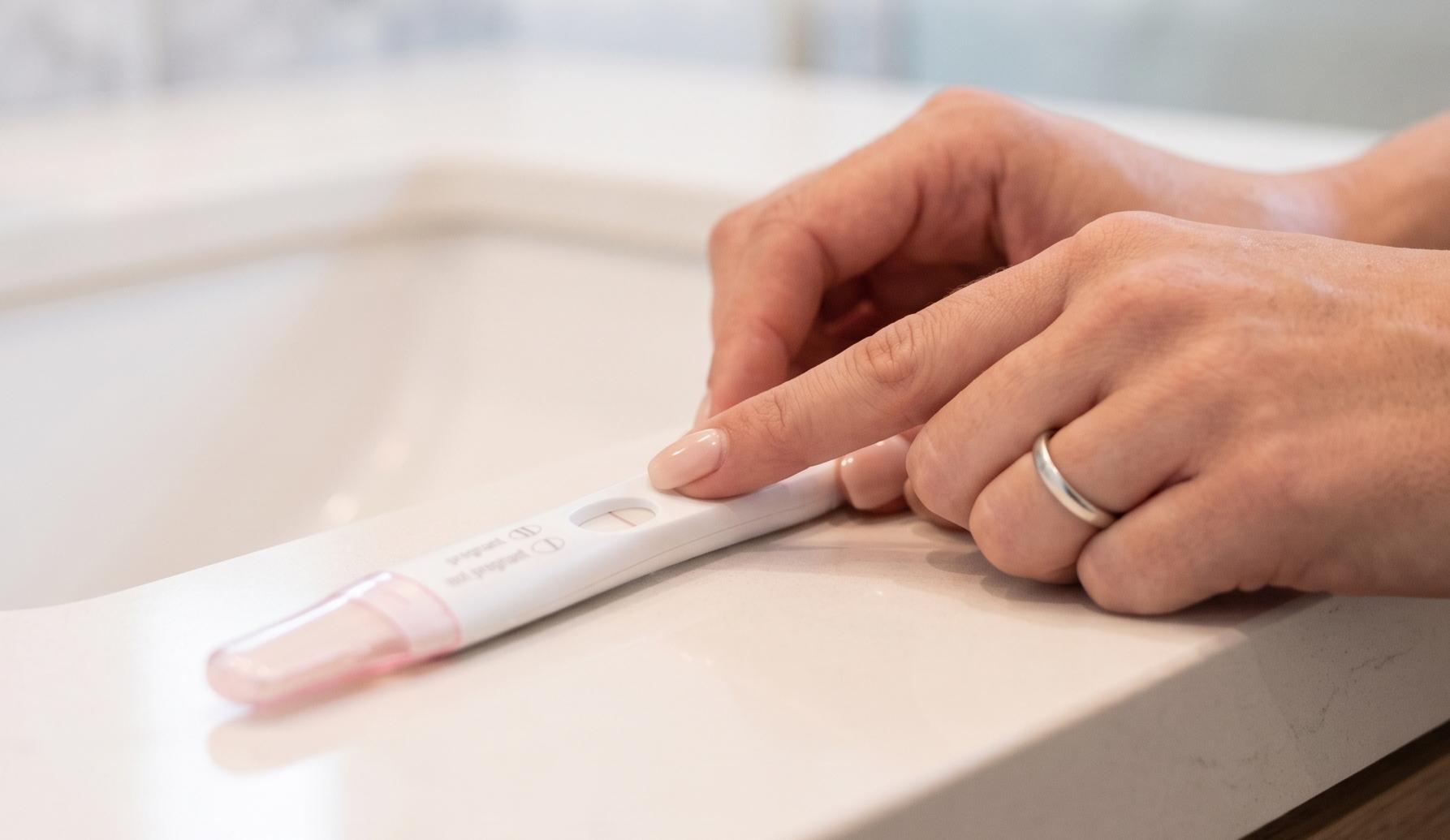
- Confirm the pregnancy. A free, lab-quality pregnancy test can confirm a home result.
- Find out how far along you are. An early ultrasound is the most accurate way to date a pregnancy. Your period dates alone can be off, especially if your cycles are irregular.
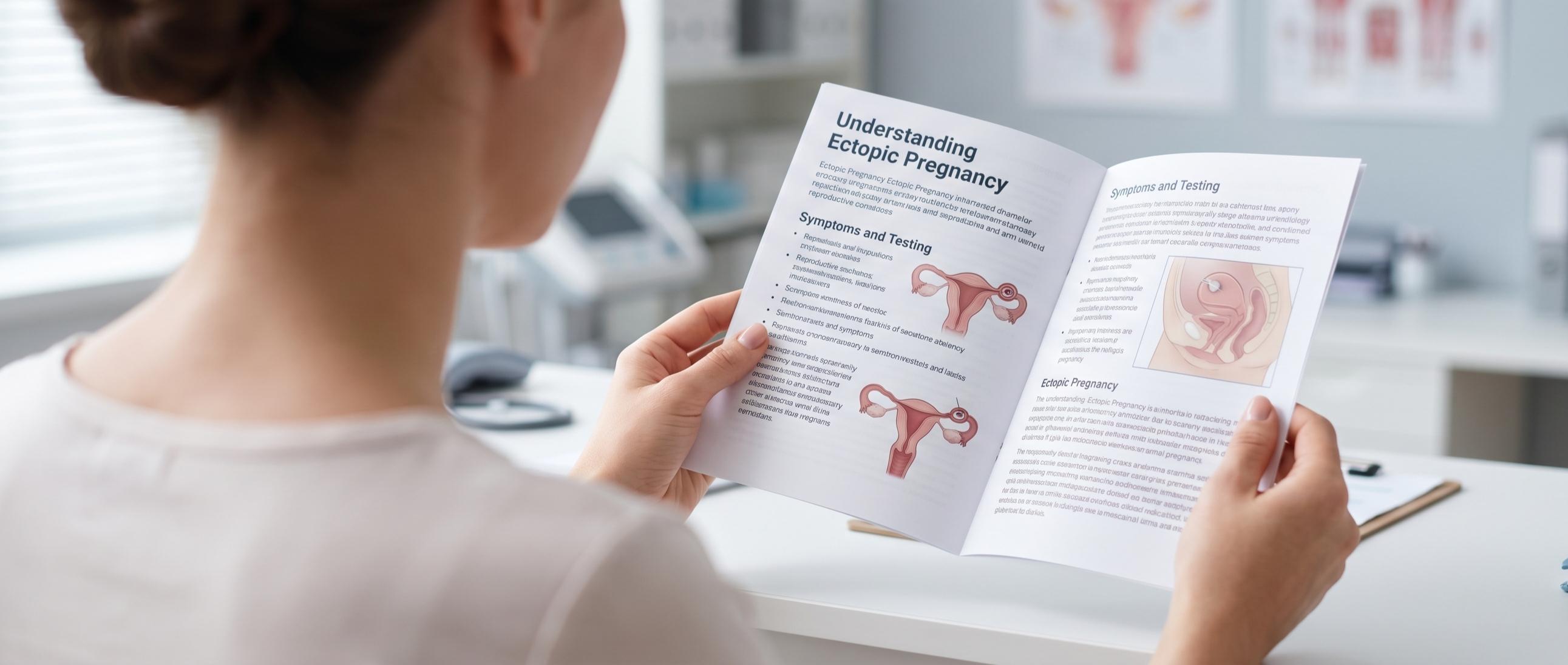
- Check that the pregnancy is in the uterus. A pregnancy outside the uterus, called an ectopic pregnancy, can’t continue and can be life-threatening. Severe, sudden pain low in your belly, pain in your shoulder, heavy bleeding or feeling faint need emergency care right away.
- Write down your dates. Once you know how far along you are, you can see how much time you really have.
How can I use the time well?
Taking time works best when you use it to learn and listen, not just to wait. A few ideas:
- Learn about all your options. There are three: parenting, adoption and abortion. You can read about each option here, including adoption.
- Ask yourself honest questions. What do I want my life to look like a year from now? Which choice could I live with on the hard days? What would I need to make each option work?
- Talk with someone who will listen. Choose a person who cares about you more than about a particular outcome.
- Look at the practical side. If money, housing or support is part of what worries you, find out what help exists before you decide. Here is pregnancy and parenting support you can ask about.
What if I still don’t know?
Many people feel unsure for a while, and mixed feelings don’t mean you’re doing it wrong. It may help to notice which option you keep coming back to, and which one brings you relief or dread when you imagine it. You can also talk it through with our team. We’ll give you honest information about every option and won’t pressure you to decide anything during your visit.
How can First Coast help?
First Coast offers free pregnancy testing, limited ultrasound services subject to eligibility and scheduling, and confidential information about all of your options. Knowing your dates early gives you the most room to think.
Visits are free and confidential. Find a center near you, or book a free information visit.
Sources
Website information is educational and does not replace individual medical care.